
AI in Interior Design: How AI Is Changing Home Interiors
Artificial Intelligence (AI) is changing the way home interiors are planned, designed, visualized, and personalized.
From suggesting color combinations to creating realistic room layouts, AI is becoming increasingly useful for homeowners and designers. However, technology is not replacing creativity or the human touch. Instead, it is helping designers work smarter and giving homeowners more confidence before making important interior design decisions.
How AI Is Changing the Interior Design Process
AI is making different stages of interior design faster, more interactive, and time-efficient, helping designers save valuable time throughout the process.
Essential Interior Maintenance Tips for Every Home :
1. Faster Design Visualization
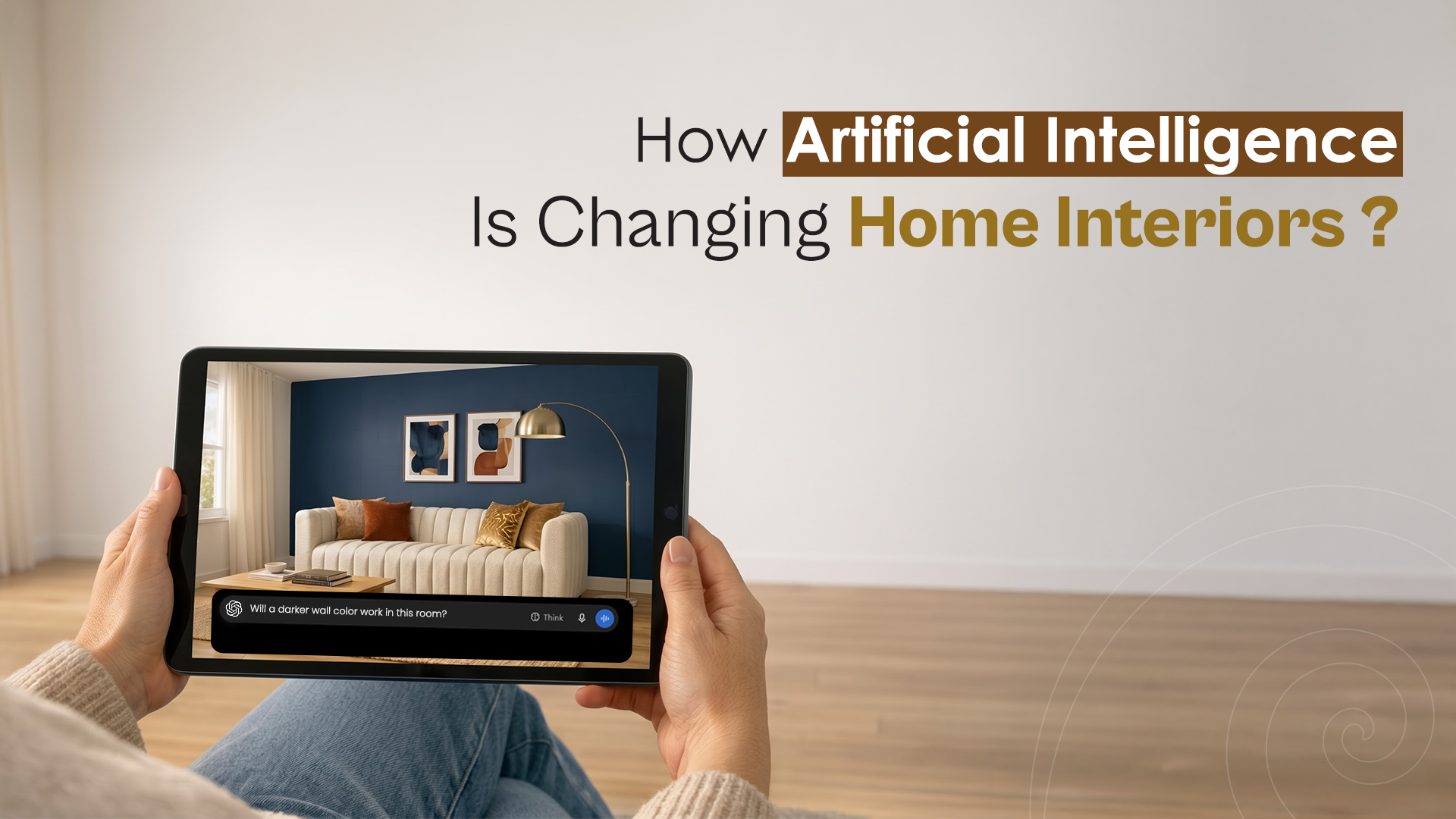
One of the major advantages of AI is visualization.
You can start with a basic idea such as “modern living room” or “minimalist bedroom with wooden finishes,” and AI-powered tools can generate visual concepts based on those ideas.
This makes it easier to answer questions such as
- Will a darker wall color work in this room?
- Would wooden furniture make the space feel warm?
- How would a modern or traditional style look?
For homeowners, seeing an idea rather than simply imagining it can make the design journey much easier.
2. Personalized Interior Ideas
Every home and homeowner is different. A young couple may want a flexible, contemporary home, while a large family may prioritize storage, durability, and comfortable common areas.
AI can analyze preferences such as
- Room size
- Preferred colors
- Furniture preferences
- Lifestyle requirements
Based on these inputs and preferences, AI can suggest interior designs that are more personalized to the homeowner’s needs.
3. Smarter Space Planning
Good interior design is not simply about making a room beautiful. The space also needs to be functional.
AI can assist with analyzing room dimensions and exploring different furniture arrangements. It can help identify opportunities for better movement, storage, seating, and overall functionality.
However, professional designers still play an important role here. Real-world factors such as electrical points, plumbing, structural limitations, ventilation, family habits, and construction feasibility require human expertise.
AI Makes Choosing Colors and Materials Easier
Choosing colors sounds simple until you have to decide between dozens of shades.
AI-powered design tools can suggest color palettes based on the mood, lighting, furniture, and overall style you want.
The result is not necessarily the final answer, but it provides a useful starting point for discussion with a professional interior designer.
AI and 3D Interior Visualization
Another major development is the growing use of AI alongside 3D visualization.
Instead of looking at a flat floor plan, homeowners can get a better understanding of how the finished space may look and feel. This makes discussions between homeowners and designers more productive.
Professional interior design companies can use these visualization tools to present multiple concepts and refine the design based on customer feedback. At INTERIUS, personalization is already an important part of the design journey, with the process involving expert interior design consultation and 3D layouts before final approval.
Will AI Replace Interior Designers?
This is one of the most common questions surrounding AI in interior design.
The short answer is NO—NOT COMPLETELY.
AI can generate ideas, but a home is more than an attractive image on a screen.
A professional interior designer understands how people actually live in a space. They consider materials, lighting, storage, comfort, budget, installation, and long-term usability.
AI may suggest a beautiful design, but a designer can ask the more important questions: Will it work for your family? Will it be easy to maintain? Can it actually be built within the available space and budget? That human judgement remains extremely valuable.
The future of interior design is therefore likely to be a combination of AI efficiency and human creativity.
The Future of AI in Interior Design
AI is likely to become an increasingly useful part of the interior design process. Future tools may make it easier to analyze room dimensions, understand lifestyle preferences, compare materials, estimate requirements, and create highly personalized design concepts.
However, the most successful homes will not necessarily be those with the most technology. They will be the ones where technology is used correctly and thoughtfully.
The goal should always be the same: to create a home that looks beautiful, feels comfortable, and works well for the people living in it.
Conclusion: The Future of Interiors is Human + AI
The best results come when smart technology meets thoughtful design. That combination of technology expertise and human understanding can turn an attractive concept into a home that genuinely works for you.
If you are planning your dream home and looking for professional interior design services, let INTERIUS help you turn your ideas into a space that feels truly yours.
INTERIUS offers end-to-end interior design and execution services, including consultation, design conceptualization, custom designs, finishes and furnishings, installation, and project coordination.
Ready to explore your dream interiors? Book a FREE interior design consultation with INTERIUS and take the first step toward creating a home designed around your lifestyle, taste, and needs.