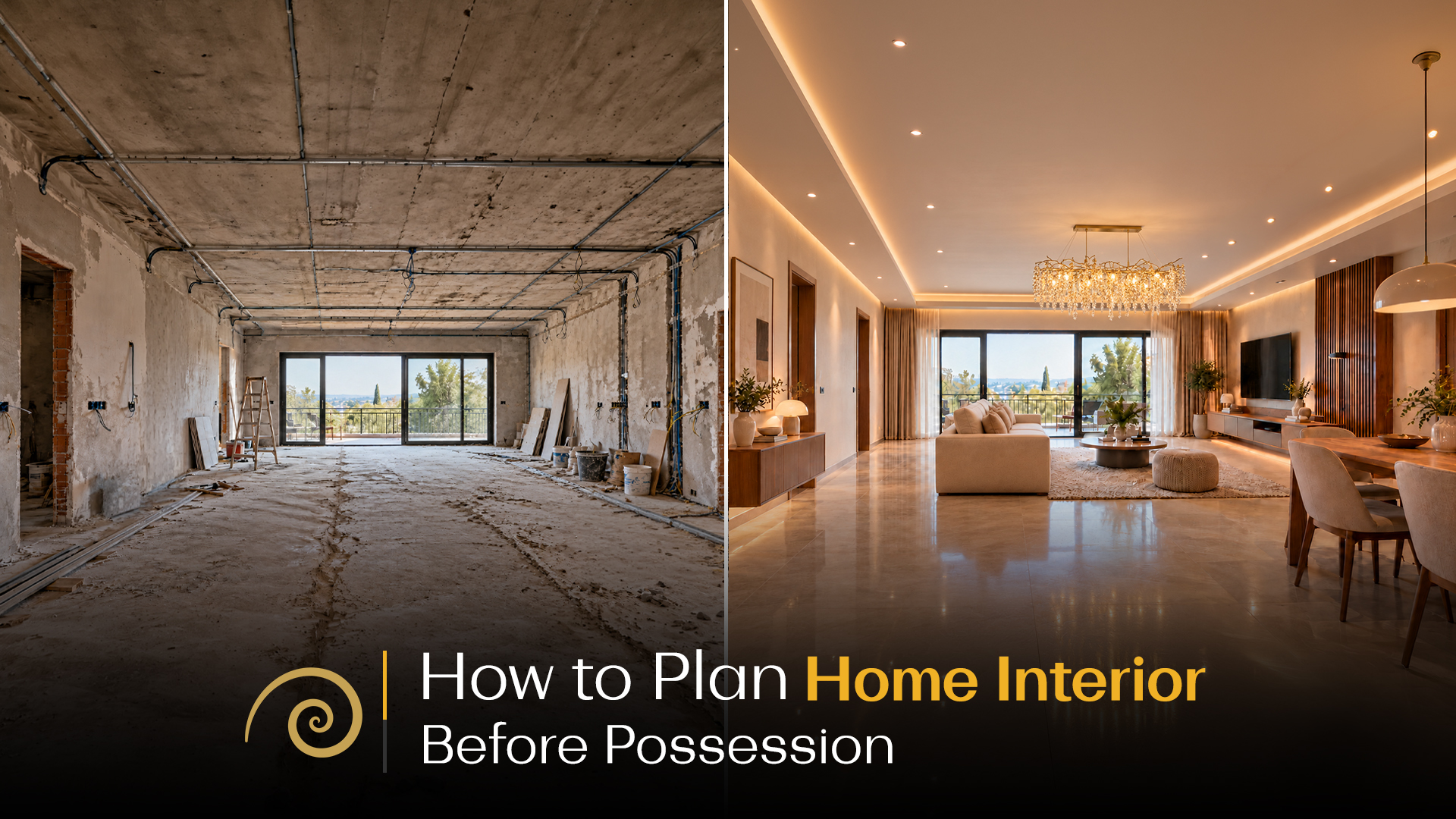
How to Plan Home Interiors Before Possession
Moving into a new home is an exciting milestone, but having comfortable and functional living spaces requires smart and careful planning. Starting your interior design preparations before taking possession can help you manage expenses, avoid unnecessary delays, and make important decisions well in advance.
Whether you have booked a new apartment or are waiting for your property handover, choosing the best interior design service can make a significant difference. Experienced professionals can help you balance your personal preferences, practical requirements, budget, and project timeline to create a home that feels right for you.
How to Plan Your Home Interiors Before Possession
Planning early helps reduce delays, avoid rework, and ensure your home is ready for comfortable living.
1. Start Planning Your Home Interiors Early
One of the most common mistakes homeowners make is waiting until the house is fully constructed to start planning the interiors.
What should you do before possession?
- Collect the floor plan from your builder.
- Identify your requirements for every room.
- Save reference images of designs you like.
- Make a list of essential furniture and appliances.
- Contact an interior design service company to discuss your expectations.
- Check the handover date and plan your schedule accordingly.
2. Set a Budget for Your Interiors
A clear budget helps you prioritize essential requirements without overspending on individual elements or compromising on other important areas.
What should your interior budget include?
Consider the following expenses when preparing your budget:
- Living room: TV unit design, seating area, display shelves, and other furniture.
- Modular kitchen: Cabinets, shutters, storage accessories, and kitchen material finishes.
- Wardrobes: Bedroom wardrobes, lofts, and utility storage.
- Electrical works: Decorative lights, switches, and additional electrical points.
- False ceiling and painting: Cost depends on your design requirements.
- Design and execution: Design fees, installation, and project management.
Overall budget will depend on the scope of interior work and material selection. Ask your interior designer for a detailed interior quotation that explains what is included and excluded.
3. Understand Your Lifestyle Before Finalizing the Design
- Space planning
- Material selection
- Color palette
- Lighting design
- Storage planning
4. Finalize the Layout, Materials, and Color Palette
5. Plan Electrical Points, Lighting, and Plumbing Requirements
Common Mistakes to Avoid When Planning Home Interiors
Even a well-planned interior project can become difficult and stressful if important decisions are delayed.
Avoid these common mistakes:
- Starting the design process only after taking possession.
- Choosing materials before deciding on a practical budget.
- Making frequent design changes during execution.
- Ignoring electrical requirements and appliance needs.
- Selecting furniture without checking measurements.
- Finalizing a quotation without understanding its exclusions.
Conclusion
Finally, as a homeowner, planning your home interiors before possession is one of the smartest steps you can take. It gives you time to make choices, organize your budget, coordinate essential services, and create a home interior that reflects your personality without compromising on comfort, style, and functionality.